


































Sold out
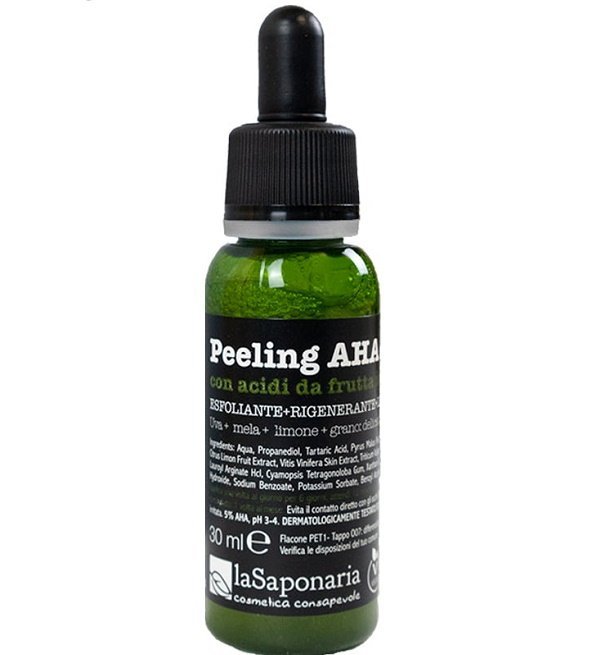
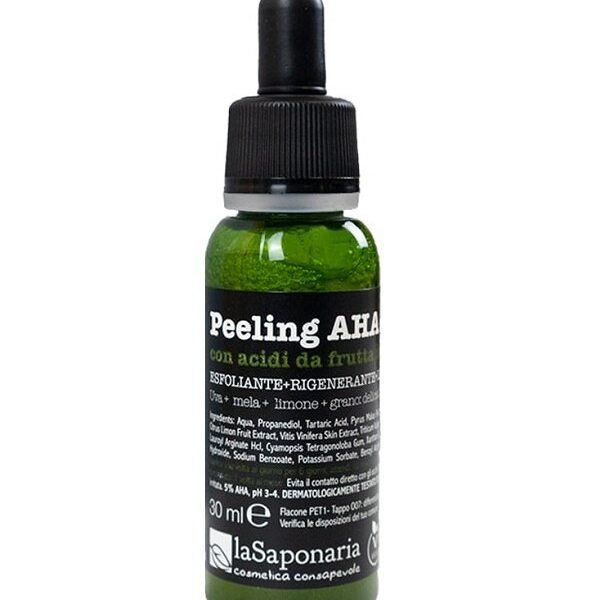
La Saponaria Peeling AHA pure 30ml
Cure mensuelle nettoyante et régénérante pour la peau.
230.00 DHS
En rupture de stock
17
People watching this product now!
Description
Le peeling AHA de la ligne Attivi Puri est idéal en cas de signes de l'âge, d'irrégularités cutanées et de manque d'éclat de la peau. Il convient à tous les types de peau, même sensibles, grâce à son mélange d'alpha-hydroxy-acides naturels. Sa formule à base d'acide tartrique de raisin d'Emilia Romagna, d'acide citrique de citron de Sicile, d'acide malique du Trentin italien et d'extraits enzymatiques de son de blé bio de la vallée du Pô et de raisin rouge d'Emilia Romagna, est douce mais très efficace. Elle stimule le renouvellement cellulaire, nourrit et protège les couches profondes de la peau. La peau est ainsi régénérée, lissée et plus ferme et peut mieux absorber les substances actives de votre routine de soin. Grâce à sa texture gel agréable, le gommage est facile à appliquer, ne brûle pas la peau et sent divinement bon.
- Sans effet photosensibilisant
- Testé sous contrôle dermatologique
- Valeur pH : 3-4
Application :
- Appliquer pendant 6 jours consécutifs.
- Répéter l'application en cure tous les mois.
- Appliquer sur la peau sèche et nettoyée, laisser agir 10 minutes et rincer.
Conseils :
- Le peelinge AHA peut être combiné avec d'autres produits de la ligne Attivi Puri. Il est toutefois recommandé d'utiliser le Sérum Niacinamide + Zinc à un autre moment de votre routine : en effet, la niacinamide est particulièrement riche en principes actifs et ne doit pas être appliquée après un gommage (mécanique ou chimique) pour éviter que la peau n'en absorbe une trop grande quantité.
- Comme le gommage n'a pas d'effet phototoxique ou photosensibilisant, il peut également être utilisé en été. Il est recommandé de l'utiliser le soir et d'appliquer impérativement une protection solaire le lendemain matin.
Online Sports Nutrition and Natural Dietetics.
Chances are there wasn't collaboration, communication, and checkpoints, there wasn't a process agreed upon or specified with the granularity required. It's content strategy gone awry right from the start. Forswearing the use of Lorem Ipsum wouldn't have helped, won't help now. It's like saying you're a bad designer, use less bold text, don't use italics in every other paragraph. True enough, but that's not all that it takes to get things back on track.
The villagers are out there with a vengeance to get that Frankenstein
You made all the required mock ups for commissioned layout, got all the approvals, built a tested code base or had them built, you decided on a content management system, got a license for it or adapted:
- The toppings you may chose for that TV dinner pizza slice when you forgot to shop for foods, the paint you may slap on your face to impress the new boss is your business.
- But what about your daily bread? Design comps, layouts, wireframes—will your clients accept that you go about things the facile way?
- Authorities in our business will tell in no uncertain terms that Lorem Ipsum is that huge, huge no no to forswear forever.
- Not so fast, I'd say, there are some redeeming factors in favor of greeking text, as its use is merely the symptom of a worse problem to take into consideration.
- Websites in professional use templating systems.
- Commercial publishing platforms and content management systems ensure that you can show different text, different data using the same template.
- When it's about controlling hundreds of articles, product pages for web shops, or user profiles in social networks, all of them potentially with different sizes, formats, rules for differing elements things can break, designs agreed upon can have unintended consequences and look much different than expected.
This is quite a problem to solve, but just doing without greeking text won't fix it. Using test items of real content and data in designs will help, but there's no guarantee that every oddity will be found and corrected. Do you want to be sure? Then a prototype or beta site with real content published from the real CMS is needed—but you’re not going that far until you go through an initial design cycle.